Conservation and laboratory · HEXPEPS GUIDE
How to reconstitute peptides for a laboratory assay
Reconstituting a peptide consists of preparing a solution from the supplied material. There is no universal recipe for all vials: the conditions must come from the technical sheet and the laboratory protocol.
FAST RESPONSE
Is there a universal recipe for reconstituting peptides?
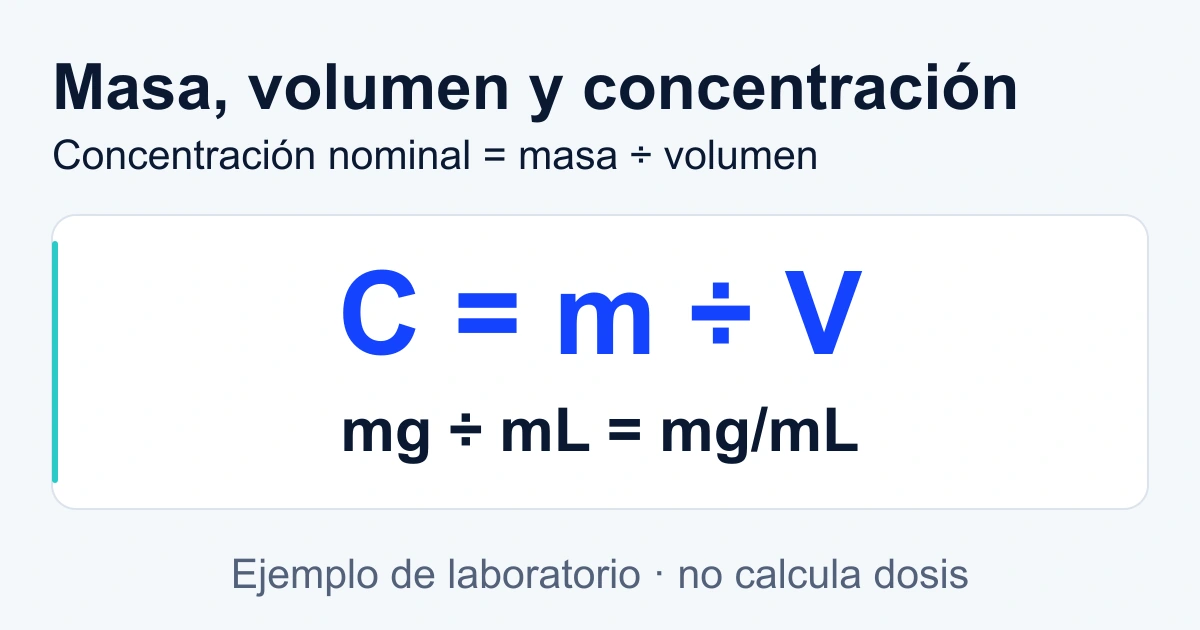
No. The solvent, solubility and final volume must correspond to the reference and the test. Increasing the volume reduces the nominal concentration, but does not add peptide or verify that the preparation is adequate.
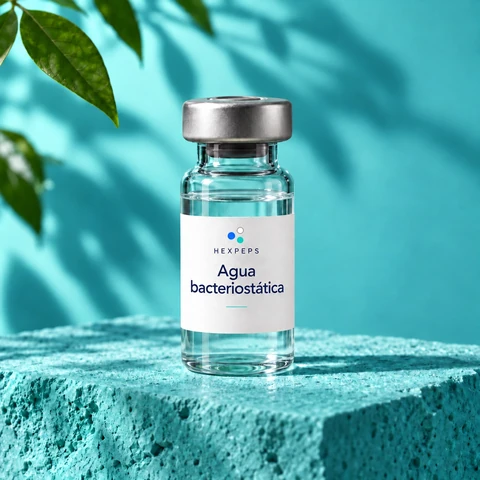 Editorial illustration · Hexpeps
Before opening the vial: define the conditions
Review identity, declared quantity, batch, storage conditions and solubility guide. The solvent or buffer must be compatible with the molecule and the subsequent assay. Don't choose a solution just because it is used with another product in the catalog.
GenScript notes that solubility depends on the sequence and characteristics of the peptide. Its technical guidance does not replace a validated condition for the specific reference.
Source: GenScript · Peptide solubility ↗
Plan a preparation that you can record
Defines the nominal concentration necessary for the test and calculates the final volume based on the available mass. Documents whether the calculation uses the label or confirmed analytical content.
Work according to your laboratory procedure, with appropriate material and conditions for the test. If the technical document leaves something unresolved, consult the manufacturer before testing a condition chosen by intuition.
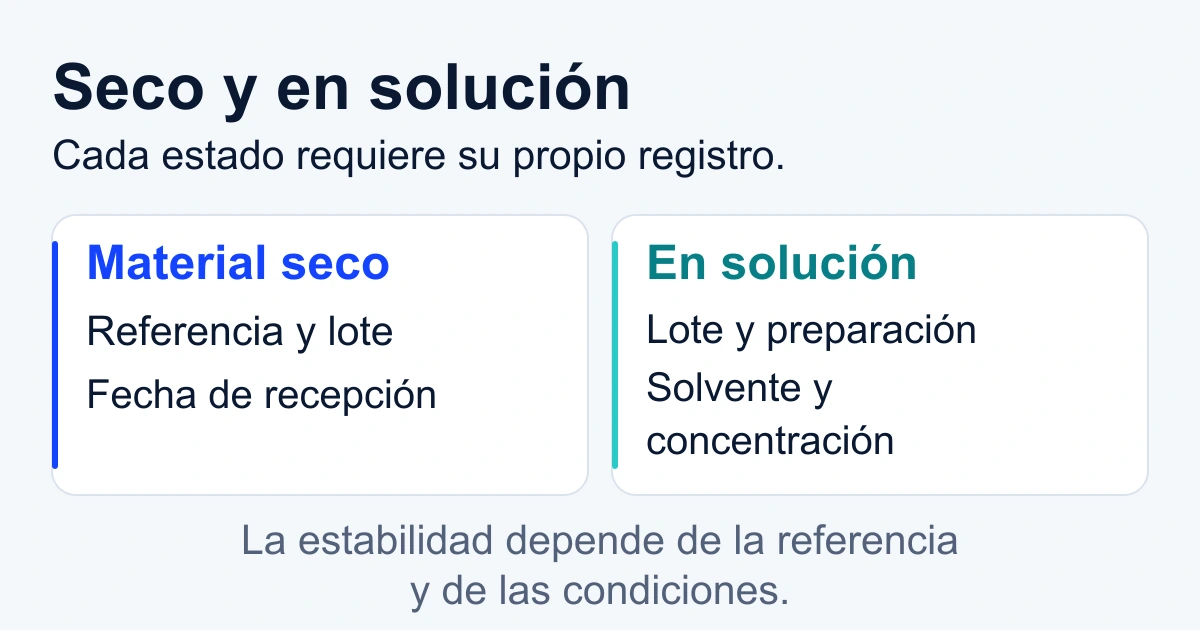
- Reference and sample lot.
- Basis of predicted mass and final volume.
- Specified solvent or buffer.
- Concentration, date and person responsible for registration.
Observe and document the result
Check if the appearance of the preparation matches the specification. If particles, cloudiness, or incomplete dissolution appear, don't automatically conclude that adding more liquid solves the problem. That changes the concentration and may not resolve the cause.
Register the incident and request technical guidance. Visual inspection is an observation, not a test of identity, purity or sterility.
Conservation and limits of the guide
The stability of a prepared solution does not have to be the same as that of the lyophilized material. Defines conservation, fractionation and term of use based on the product and the protocol; Label the preparation to maintain traceability.
This guide covers solutions for laboratory research. It does not indicate how to prepare products for injection, does not recommend administration volumes, and does not establish doses for people or animals.
Lumps, cloudiness and foam: different questions
A cloudy solution cannot be diagnosed by a photograph. To evaluate an incident, reference, batch, medium, final volume, test conditions and recorded observations are required. Nor does foam alone demonstrate destruction, contamination, or identity.
Don't turn forum responses into a procedure for modifying pH, adding media, or attempting to repair the material. Compare the observation with the specification and consult the tester and supplier. If additional testing is needed, define which property is intended to be tested.
Frequently asked questions
Are all peptides reconstituted with the same solvent?
No. The condition depends on the reference and the test. Consult the technical sheet and a condition validated by the laboratory.
Does adding more liquid increase the amount of peptide?
No. It changes the concentration. The starting mass does not increase by adding solvent.
Does a transparent solution guarantee sterility?
No. Transparency and sterility are different properties; The absence of visible changes is not a substitute for a trial.
Does the foam prove that I have destroyed the peptide?
It cannot be concluded by foam alone. Record what happened and evaluate it against the laboratory specification and protocol.
What if lumps or cloudiness appear when reconstituting?
Record reference, lot, medium and conditions, and contrast the observation with the specification. A photograph does not identify the cause or validate the preparation. Request documented evaluation before using the material in the test.
Sources consulted
References consulted for this guide. They do not constitute certificates of Hexpeps products or endorsements of our store.
Conversations that help identify these doubts
Origin of questions, not medical evidence or seller verification. The full selection and its limits are explained in our editorial criteria.
Editorial content on laboratory concepts and documentation. It does not replace health advice nor does it establish guidelines for human or animal use.
Consult formats, prices and documentation
In each file you can choose the presentation, consult its published COA and prepare your order online.
Choose product and format →Do you want to collaborate with Hexpeps? Discover our affiliate program. Affiliate program