Molecules and evidence · HEXPEPS GUIDE
GHK-Cu: composition, formats and documentation
The GHK-Cu file brings together a chemical name, a presentation and analytical results. Understanding what each data item describes avoids comparing only the number of milligrams on the label.
FAST RESPONSE
Does the blue color show that it is quality GHK-Cu?
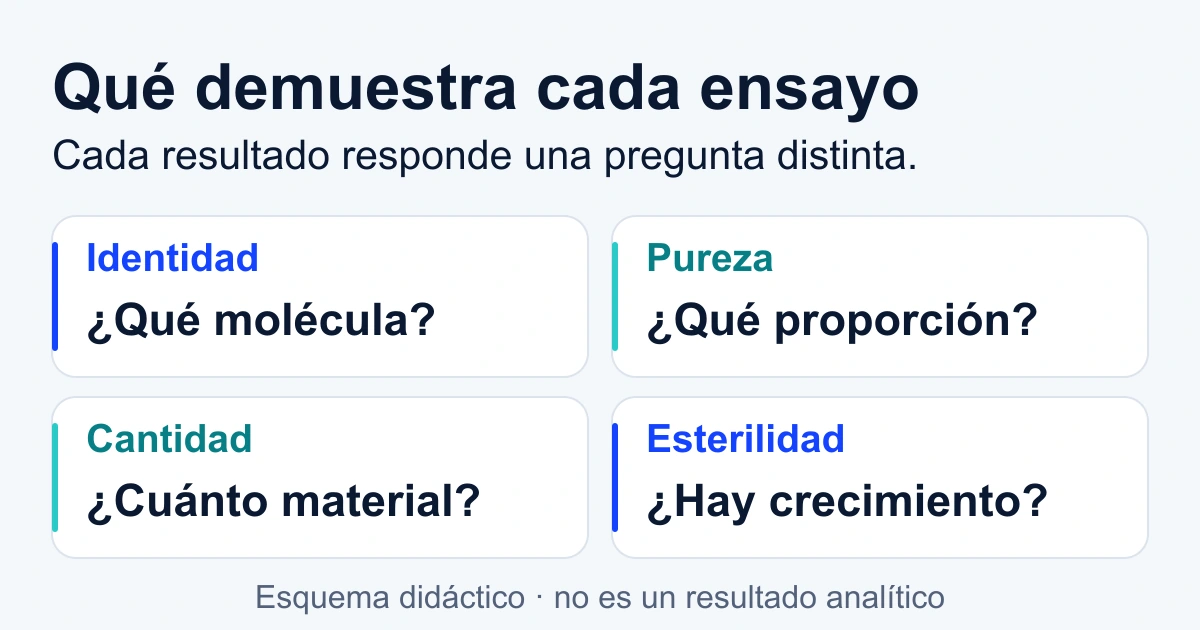
No. Color does not quantify purity, copper, quantity or sterility. Identifies the complex, presentation and lot with analytical methods; It also distinguishes a finished cosmetic from a research vial.
 Editorial illustration · Hexpeps
What does GHK-Cu mean?
GHK refers to the tripeptide formed by glycine, histidine and lysine. GHK-Cu describes a complex with copper. PubChem collects names such as GHK copper and copper tripeptide-1 for this identification family.
Tripeptide and copper complex should not be confused when comparing documents. Ask the supplier for the chemical form, reference and method with which the sample is identified.
Source: PubChem · GHK-copper complex ↗
Quantity per vial and composition
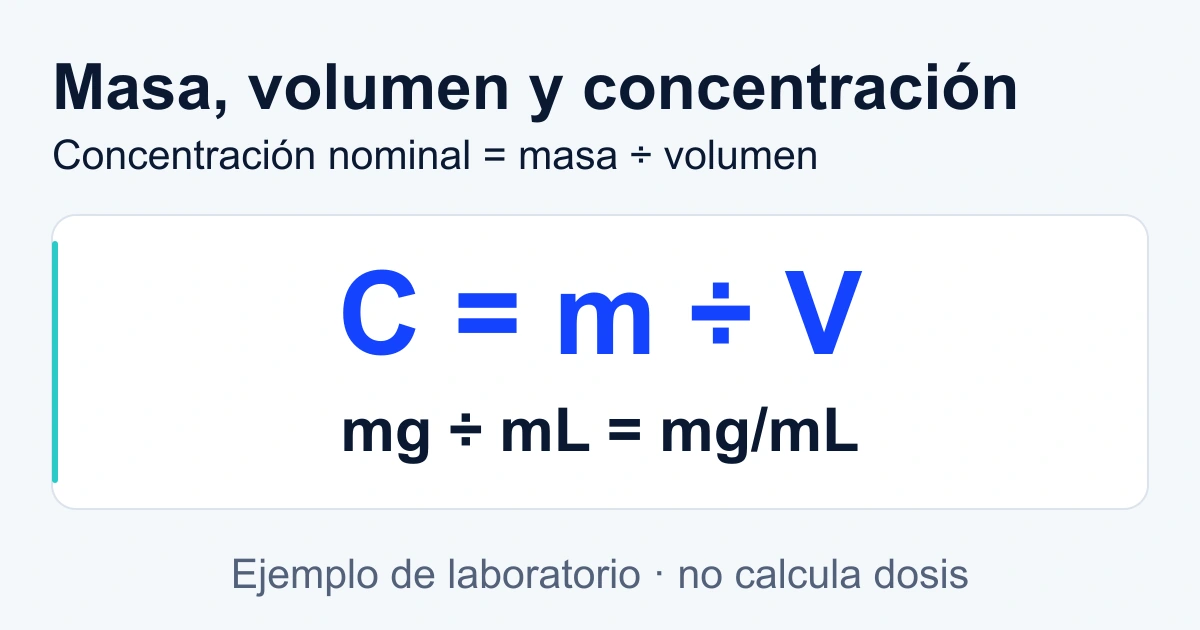
A 50 mg presentation describes a nominal amount of product. To know how to use that data in a laboratory calculation, you need to know what it represents: mass of the material, analytical content, or declared quantity of a specific chemical form.
Do not convert the chromatographic purity data directly into milligrams of copper or net mass of the tripeptide. They are different magnitudes. If your test requires knowing the copper content, ask for a specific analysis for that determination.
Appearance is no substitute for identification
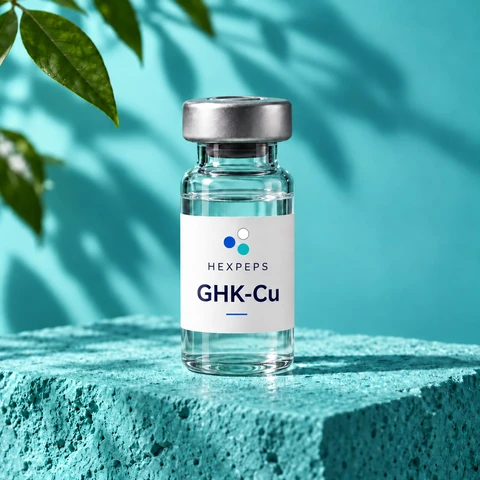
A photograph is used to present the product, not to verify the sample that will arrive. Nor does it allow us to determine its purity, content or stability. Review the appearance specified by the manufacturer and record any deviations from the unit received.
If the protocol depends on an exact concentration, use the technical information for the batch and record the basis for the calculation. A report referring to another batch does not resolve the identity of yours.
What to include in the application
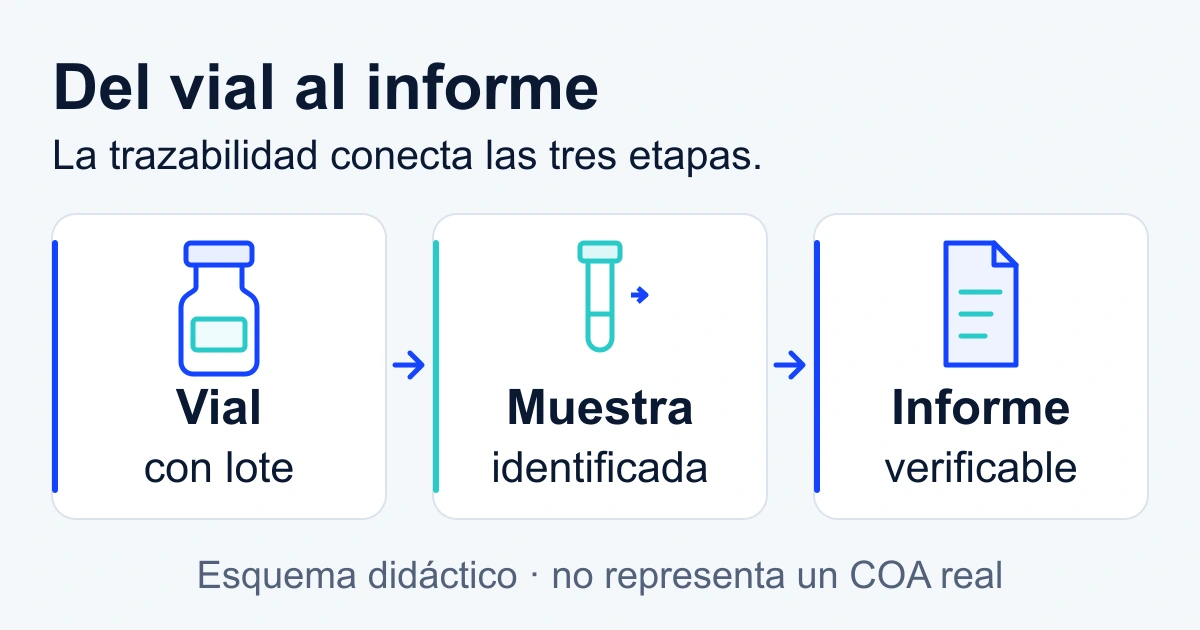
Indicate the format you want to compare, number of vials and necessary documentation. Request the COA, chemical identification, storage conditions and preparation of solutions for the test.
The catalog file and the commercial response must be able to be related to a specific reference. If you change presentations or providers, review the data again before assuming they are equivalent.
GHK-Cu light or dark: what allows you to conclude a photo
Comparing photographs is especially limited: lighting, exposure and presentation may differ. An unexpected color merits a documented query, but does not establish the cause. Ask the supplier to explain what shape they supply and what appearance criteria are specified for it.
Do not use a color chart as a test for copper, purity or quantity. Keep the image with batch and date, and request the appropriate documentation for the question you need to resolve. The chemical identity of the complex must be tied to the material, not just a catalog image.
Is a serum with Copper Tripeptide-1 equivalent to one vial?
A finished cosmetic incorporates its own formulation and conditions of use. A research vial is another presentation. The appearance of a related name in the list of ingredients does not allow the two products to be exchanged, transfer instructions or compare concentrations without knowing their basis.
When comparing, separate the name of the ingredient, the amount of preparation and the specified purpose. The results of a specific formulation also do not demonstrate the properties of another presentation.
GHK-Cu 50 and 100 mg: how to compare the offer
Consult the catalog formats in the table and open the tab to review the declared composition. Before requesting a format, ask that the mass basis be explained and its relationship to the analytical determinations in the report.
If your test requires knowing GHK or copper separately, ask for the specific result. The nominal format weight and chromatographic purity do not replace these determinations.
Frequently asked questions
Are GHK and GHK-Cu exactly the same?
It is not advisable to treat them as interchangeable references. GHK-Cu identifies the complex with copper; Please check the chemical form listed in the product document.
Does 50 mg indicate a recommended dosage?
No. It is a nominal presentation of the catalog. It does not establish a guideline for human use.
Does a bluer GHK-Cu necessarily contain more mg?
You can't deduce it by color or photo. Quantification requires an appropriate analytical method.
Are a cosmetic serum and a vial of GHK-Cu interchangeable?
No. They have presentations, composition and purposes that must be evaluated separately.
Sources consulted
References consulted for this guide. They do not constitute certificates of Hexpeps products or endorsements of our store.
Conversations that help identify these doubts
Origin of questions, not medical evidence or seller verification. The full selection and its limits are explained in our editorial criteria.
Related Catalog References
Formats and prices per vial, availability and documentation on each file.
Editorial content on laboratory concepts and documentation. It does not replace health advice nor does it establish guidelines for human or animal use.
Consult formats, prices and documentation
In each file you can choose the presentation, consult its published COA and prepare your order online.
Choose product and format →Do you want to collaborate with Hexpeps? Discover our affiliate program. Affiliate program