GUIDES BY TOPIC · 8 ARTICLES
Peptides and molecules: names, mixtures and evidence
Understand what reference is studied and what is offered in each format. Separate identity, composition and scientific results before interpreting a label or news item.
Trade abbreviations can hide different structures, and a mixture requires quantities per component. Cellular, animal or clinical research also does not allow the same conclusions. These guides explain retatrutide, GHK-Cu, CJC-1295, TB-500, MOTS-c, NAD+, and mixtures without turning hypotheses into promises.
Start with: Peptides: how to evaluate evidence, safety and testimonials →Go deeper into each question
 Molecules and evidence
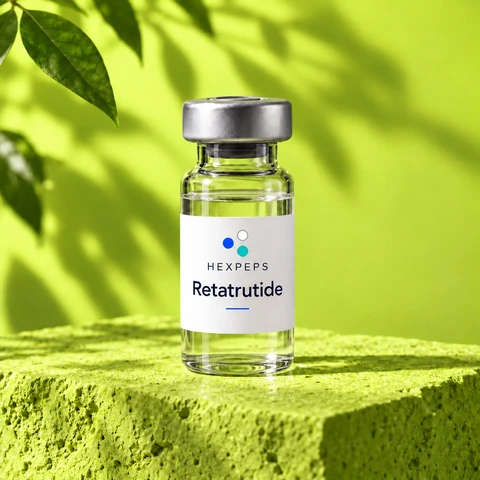
Retatrutide in Spain: what to check before buying
Research retatrutide in Spain: 10 and 20 mg formats, prices per vial, COA of each presentation and online purchase. Distinguish stock and pre-purchase.
Read guide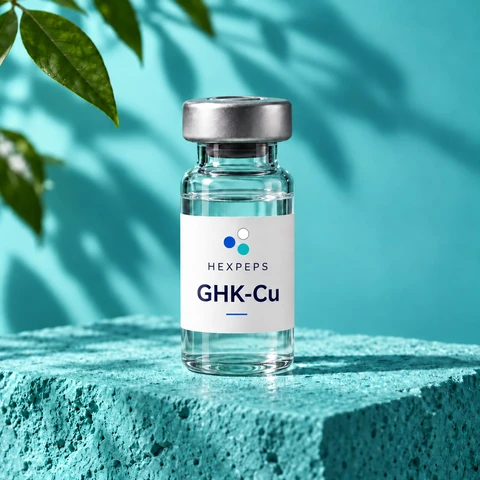 Molecules and evidence
GHK-Cu: composition, formats and documentation
How to Compare Research GHK-Cu: Copper Complex Identity, Quantity Per Vial, Purity, Batch and Technical Documentation.
Read guide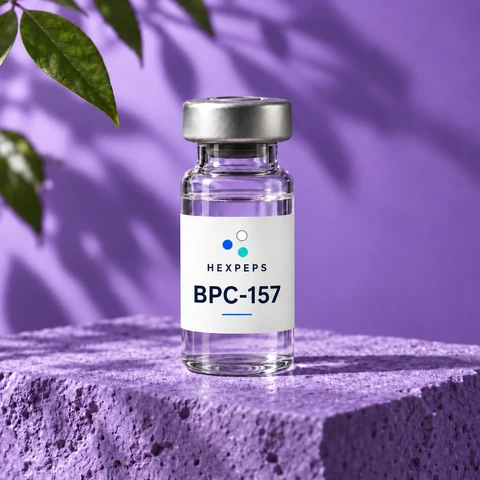 Molecules and evidence
BPC-157 and TB-500: how to check your references
What to check when comparing research BPC-157 and TB-500: full name, declared sequence, formats and lot COA.
Read guide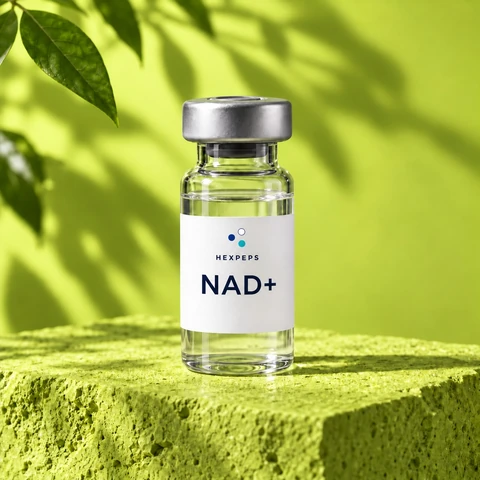 Molecules and evidence
MOTS-c and NAD+: differences that matter when comparing
MOTS-c and NAD+ are not the same kind of molecule. Identity, presentation and documentation guide for research.
Read guide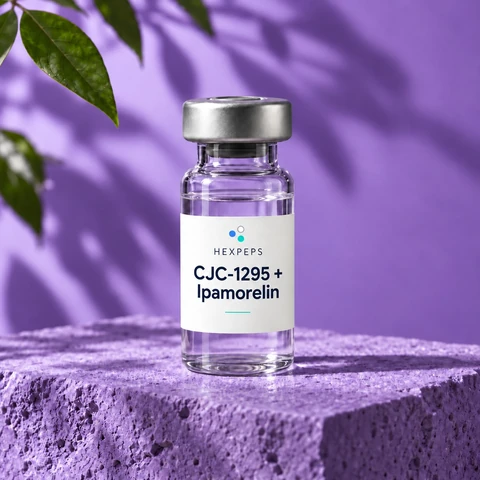 Molecules and evidence
CJC-1295, DAC and Ipamorelin: how to avoid confusion
How to review DAC, non-DAC denominations, and CJC-1295/Ipamorelin blends before comparing a research catalog.
Read guide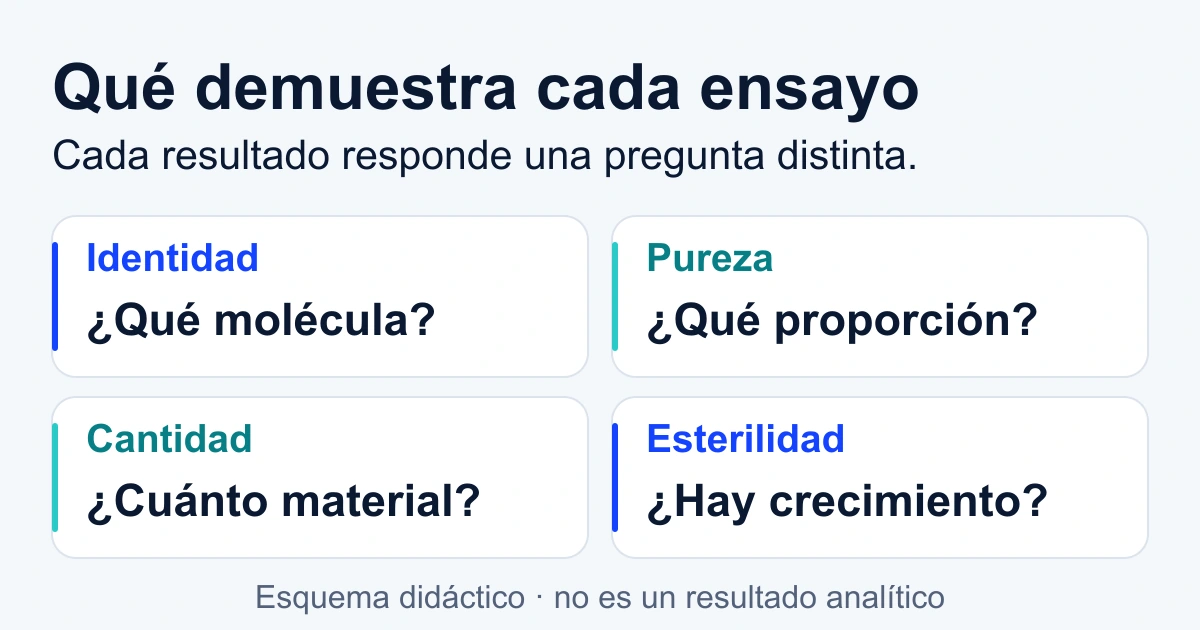 Molecules and evidence
TB-500 and thymosin beta-4: identity differences
Complete TB4 and the Ac-LKKTETQ fragment have different structures. What to check in the sequence, the label and the study cited.
Read guideMolecules and evidenceGLOW, KLOW and mixtures: how to read their quantities
Blend names, 5/5 mg labels and total amount: check composition and concentration by component for a trial.
Read guideMolecules and evidencePeptides: how to evaluate evidence, safety and testimonials
Cells, animals, human studies and forum stories do not answer the same thing. Learn to read results and limits of an investigation.
Read guideAre you looking for a specific answer?
Consult the index of questions about documentation, conservation, names and purchasing.
CHOOSE YOUR STARTING POINT
What do you need to understand?
Purchase and supply
Define the product, check who is selling and compare a complete proposal. These guides distinguish catalog existence, confirmed availability and delivery conditions.
Explore the topic ↗4 guidesQuality and COA
A purity percentage does not answer all questions. Learn to relate batch, sample, methods and results, and to verify the document with its issuer.
Explore the topic ↗8 guidesMolecules and evidence
Understand what reference is studied and what is offered in each format. Separate identity, composition and scientific results before interpreting a label or news item.
Explore the topic ↗5 guidesConservation and laboratory
Resolves doubts about dry material, solutions, transportation and units. The reference and assay protocol determine what conditions can be used.
Explore the topic ↗